Cyber Resilience: How Small Businesses Survive an Attack, Not Just Avoid One
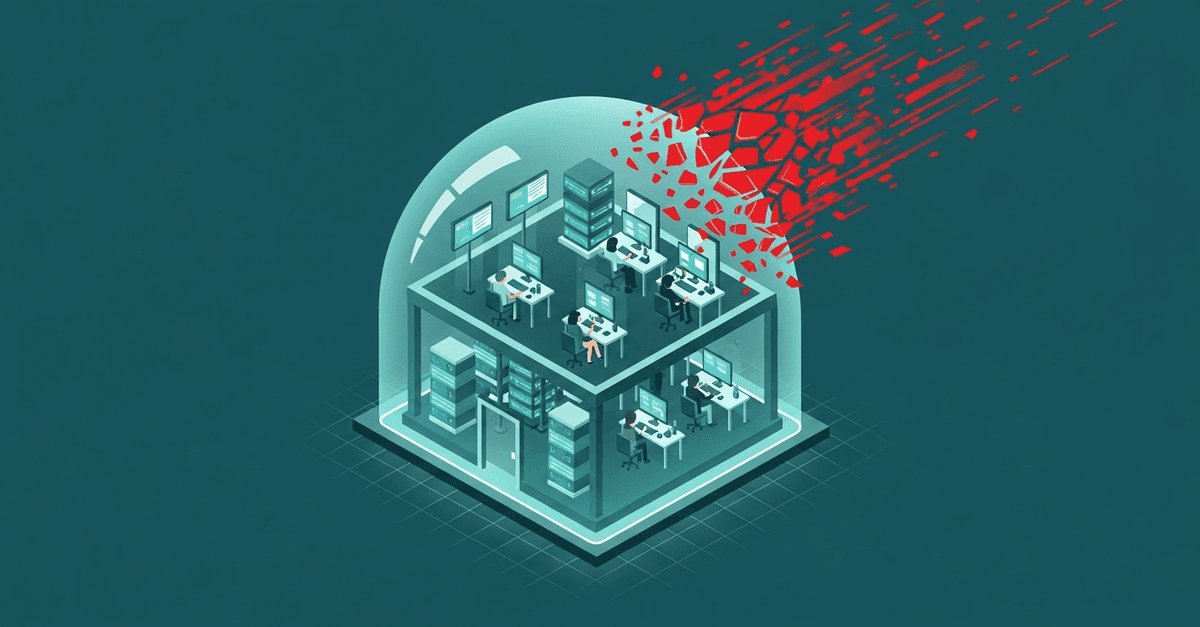
Small and mid-sized businesses spend less on cybersecurity than large enterprises, which is exactly why attackers like them. Close to 30 percent of businesses face a cyberattack at least once a week. If you run a small operation, the question is not whether you will be targeted. It is whether you will still be standing the morning after.
Here is the part most owners miss. More companies than ever have a written incident response plan. Adoption climbed from 18 percent in 2015 to 26 percent in 2020. Yet the ability to actually contain an attack dropped by 13 percent over the same stretch. Two reasons. First, most businesses never test their plan against a real scenario. Second, they pile on so many security tools that the tools get in the way of spotting and stopping the thing they were bought to stop.
That gap is where cyber resilience earns its keep.
Cybersecurity and cyber resilience are not the same thing
People use the two terms as if they mean the same thing. They do not.
Cybersecurity is about keeping attackers out. Firewalls, email filtering, endpoint protection, access controls. All of it aims at prevention.
Cyber resilience assumes prevention will fail eventually, and plans for that day. It is the discipline of defending, responding, and recovering fast when something gets through. Endpoint protection, email security, network security, backup and recovery, and identity and access management all feed into it, but the goal is different. Resilience protects your uptime and shortens your recovery when the worst happens.
You do not get to choose only one. You need both. Prevention buys you fewer incidents. Resilience makes sure the incidents you do have never turn into the incident that closes your doors.
What a resilient business looks like
Your business is cyber resilient when three things are true:
- You have real measures in place to guard against attacks, not just a checklist someone filled out once.
- Proper risk controls protect your data before an attack, not after.
- An attacker cannot severely disrupt your operation during or after a breach.
Building toward that rests on four components:
Threat protection. Attack surface management and risk management shrink the openings attackers use, whether the exposure comes from your own systems, a vendor, or a vendor's vendor. Assessments surface the risk areas that actually need attention so you are not guessing.
Adaptability. Attackers change tactics constantly. Your defenses have to change with them. A static setup is a soft target.
Recoverability. Robust, tested backups are the difference between a bad afternoon and a bankruptcy. Mock drills tell you whether your team actually knows what to do when the alarm goes off.
Durability. Steady system upgrades and maintenance keep small problems from becoming the opening an attacker needs. The goal is to absorb the hit without the shock knocking you over.
Five ways cyber resilience protects a small business
-
It strengthens your security, your processes, and your culture. Building resilience forces you to design controls that fit your actual infrastructure, and it sets a clear standard of behavior for your team.
-
It keeps the business running. Resilience means an attack does not stop operations cold. You get back to normal faster, with less damage in between.
-
It reduces financial loss. A serious breach is expensive enough to bankrupt a small company. Resilience keeps threats contained and caps the financial bleed.
-
It helps you meet regulatory and insurance requirements. Following the right controls keeps regulators off your back and strengthens your position on cyber insurance claims.
-
It protects your reputation. When you can block most attacks, recover quickly from the rest, and keep the fallout small, partners and customers keep trusting you. That trust is hard to earn back once it is gone.
Where to start
Cyber resilience is not a product you buy off a shelf. It is a strategy built around your business, your systems, and your risk. If that sounds like a lot to sort out on your own, it does not have to be.
BomberJacket Networks has spent more than 25 years keeping businesses running through exactly these situations. Start with an assessment to see where your resilience actually stands today. Then we build the plan to close the gaps. Contact us to get started.
Related Resources
Free Ebooks & Guides
View All
Ransomware Survival Guide
Essential strategies and best practices to protect your business from ransomware attacks and recover quickly if compromised.
Download Free
All Businesses Should Adopt MFA. Now
Learn why multi-factor authentication is essential for business security and how to implement it across your organization to prevent account takeovers.
Download Free
Inside Threat
Understand and mitigate insider threats with strategies to protect your business from malicious employees, contractors, and accidental data breaches.
Download FreeVisual Guides & Infographics
View All
Cybersecurity Checklist for Data Security and Privacy
A comprehensive checklist to help protect your organization's sensitive data and maintain robust privacy practices.
Download Free
Beware of Business Email Compromise
Learn how to identify and prevent business email compromise attacks that target your organization's financial transactions and sensitive communications.
Download Free
Encryption: Facts & Figures
Essential facts and statistics about encryption technology and its critical role in protecting your organization's sensitive data.
Download Free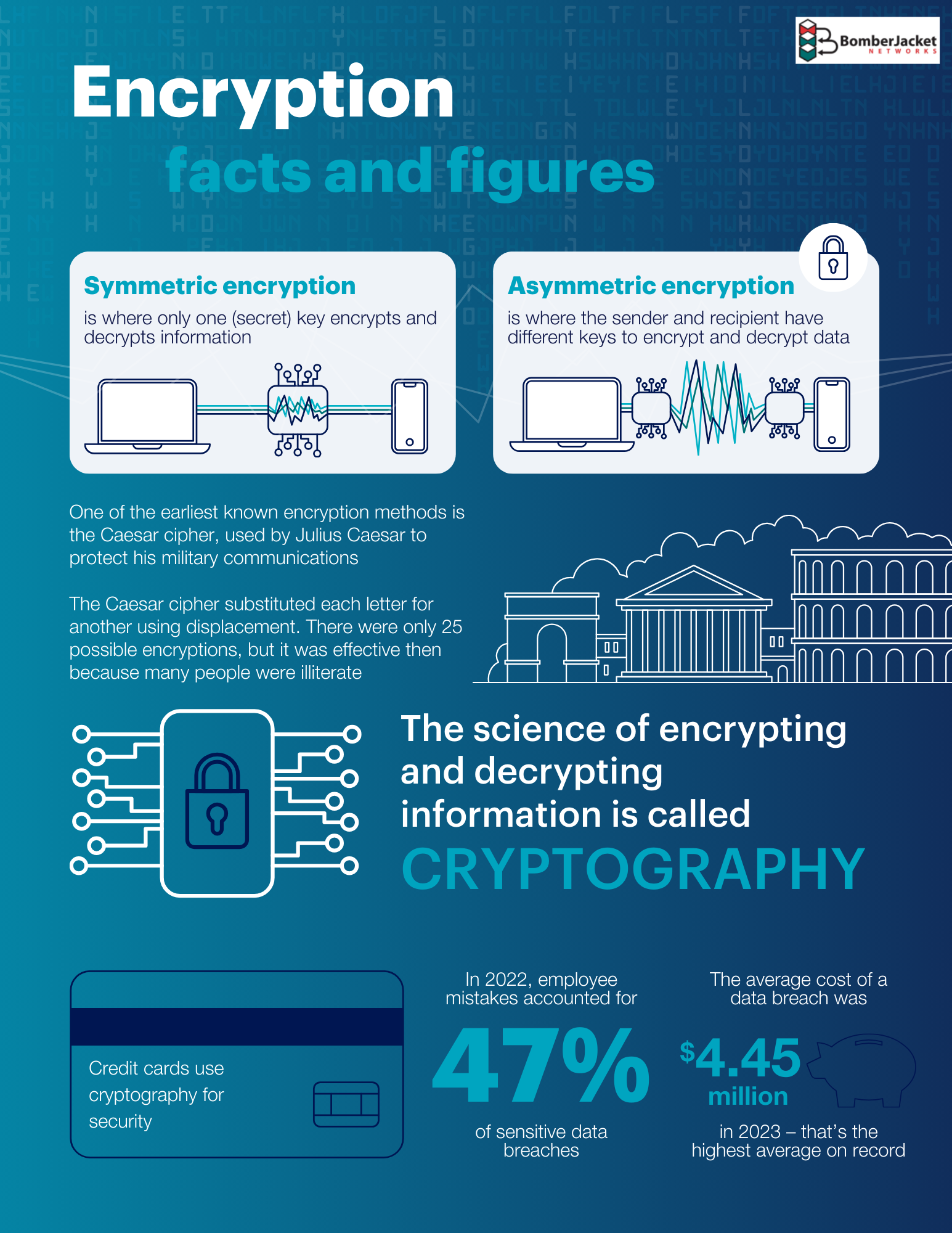
Need Help with Cybersecurity?
BomberJacket Networks is a Minnesota MSP with 25 years of expertise. Protect your business with 24/7 threat monitoring, managed detection and response, and comprehensive security services.